
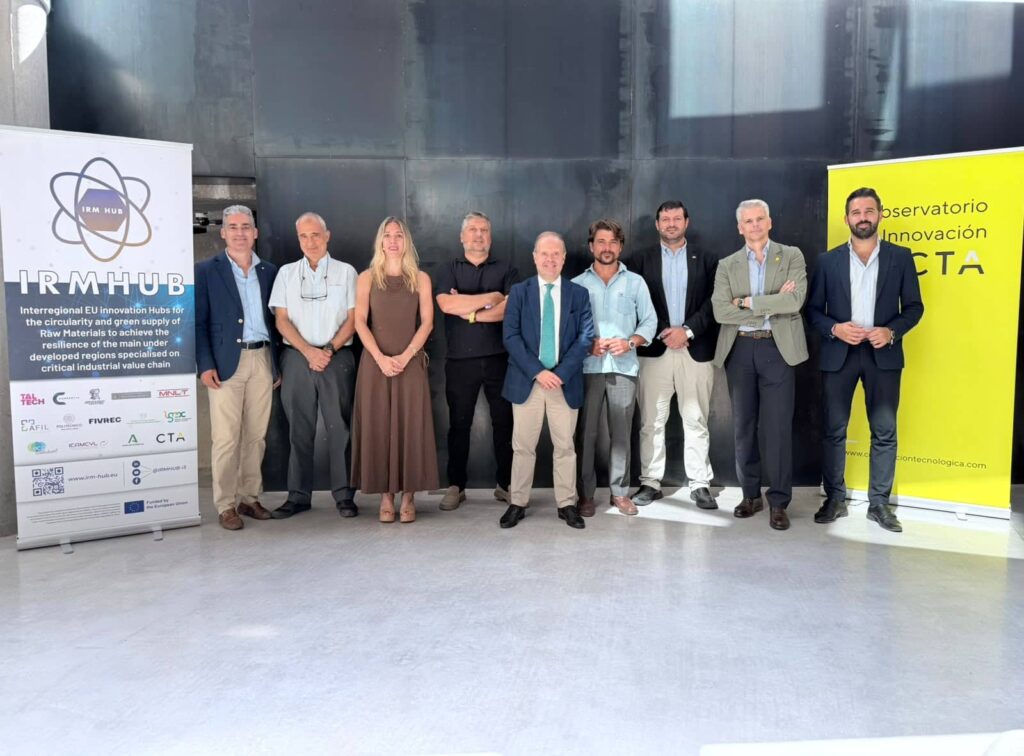
The CTA Innovation Observatory held an event today to explore and highlight Andalusia’s key role in critical raw materials and sustainable reindustrialisation. The event brought together experts to discuss the strategic importance of these resources for Europe’s industrial autonomy and featured the presentation of a revealing report on Andalusia’s capabilities in this field, developed as part of the European IRMHUB project.
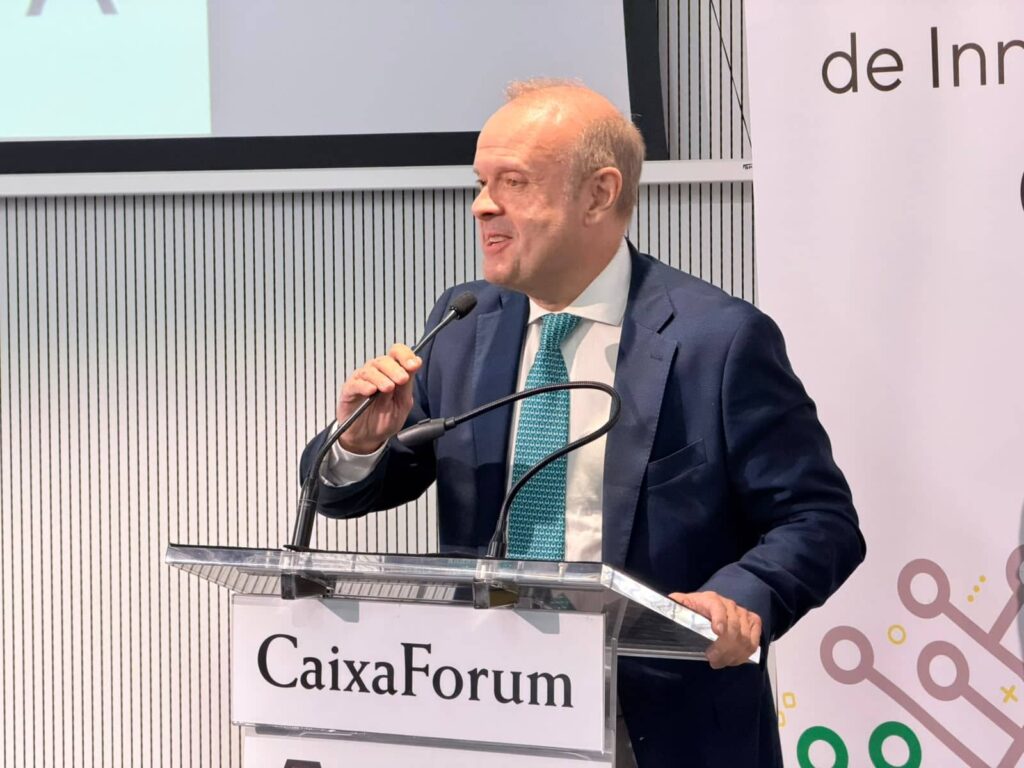
The event, attended by more than 80 people, was held at CaixaForum Sevilla in Sevilla TechPark. It was closed by Jesús Portillo, Director-General for Mines at the Regional Government of Andalusia, who stated: “Andalusia is one of Europe’s leading mining regions in the extraction of some of the critical and strategic raw materials that the European Union needs to safeguard its strategic autonomy, including copper and strontium.”
He also highlighted the region’s significant potential, noting that “at least 22 of the 34 raw materials classified as critical by the European Union have been identified in Andalusia”. He therefore stressed the importance of “increasing our own mineral-processing capabilities so that value remains in the region and security of supply becomes truly effective”. He concluded that “technological development will play a decisive role in achieving this goal”.
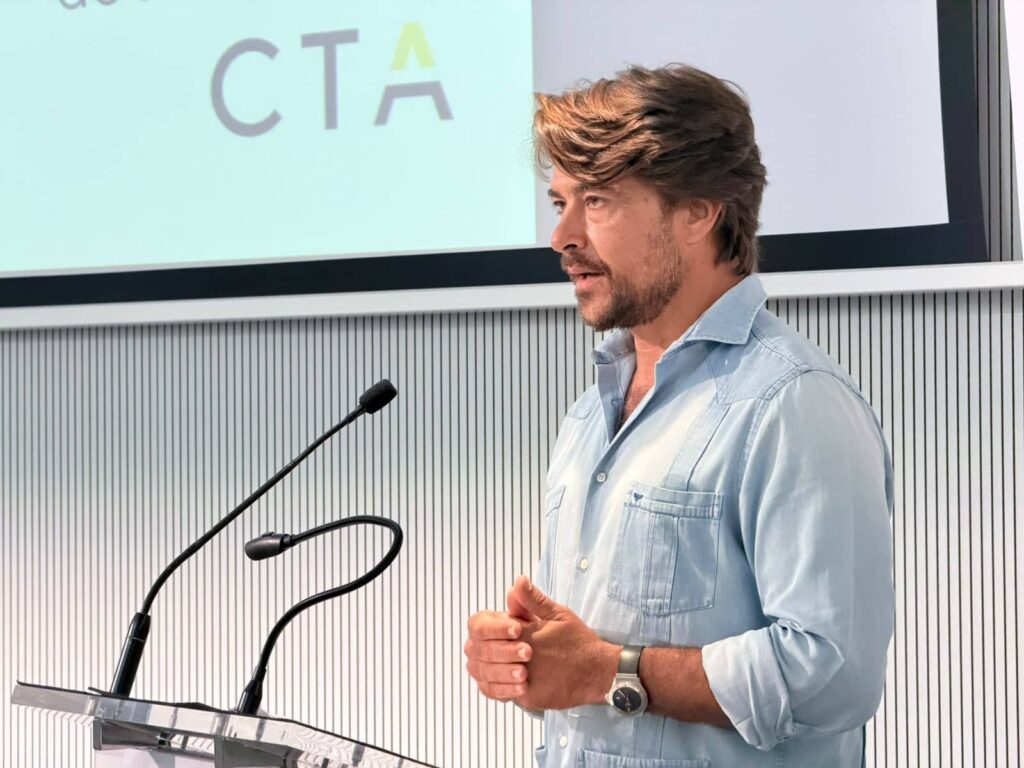
At the opening of the event, CTA’s President highlighted that “Andalusia has a strategic opportunity to turn its wealth of critical raw materials into industrial development, employment and technological leadership”.
He stressed that “having these resources is not enough; the real challenge is to advance across the entire value chain, from extraction to industrial processing, while integrating innovation, sustainability and technology to strengthen Europe’s industrial autonomy and the competitiveness of our companies”.
He also emphasised that CTA is ready to advise and support companies in bringing innovative critical raw materials projects to life by facilitating access to expertise, funding and collaborative networks.
Lack of supply planning
José Manuel Torralba, Professor at Universidad Carlos III and former Director of the IMDEA Materials Institute, discussed the strategic role of critical materials in Europe’s industrial autonomy. He noted that “Europe has gone to great lengths to regulate everything in order to secure a sustainable future. However, in doing so, it has allowed other economic powers to overtake us in innovation and manufacturing and, even more concerningly, to gain control of essential raw material sources needed for both.”
“Modern devices require almost the entire periodic table to function, while so-called ‘new energies’ are driving exponential growth in metal consumption. Their deployment is therefore at risk due to a serious lack of foresight regarding raw material supplies,” he added.
Torralba also highlighted China’s advantageous position. The country accounts for over 81% of global natural graphite production and 90% of global refining capacity for battery-grade graphite.
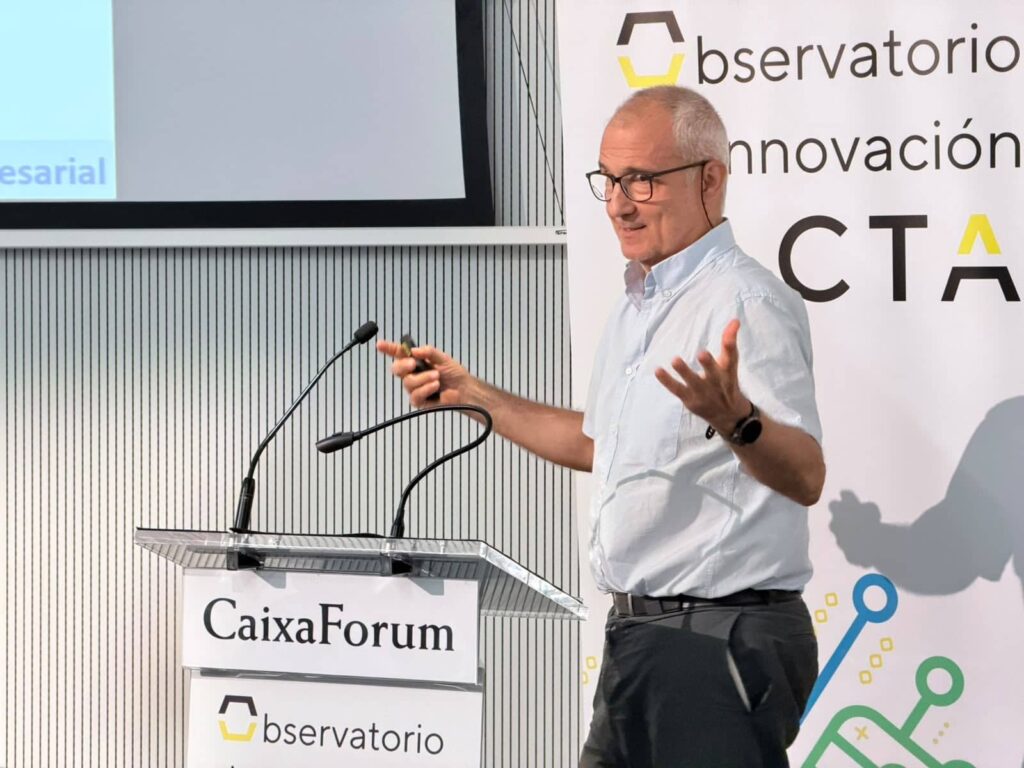
Torralba explained that the EU “has finally woken up” and is addressing critical raw material shortages and the dominance of countries such as China through measures including the Critical Raw Materials Act, which sets European capacity targets for 2030; the designation of strategic projects; circularity and sustainability measures; and a strategic procurement and joint stockpiling plan to aggregate demand from European companies and negotiate better terms with global suppliers.
Together, these measures aim to secure a sustainable supply of critical raw materials over the medium and long term.
Report on Andalusia’s capabilities
Rafael Castillo, Senior European Projects Manager at CTA, presented the report Andalusia’s Capabilities in Critical Raw Materials, prepared by CTA as part of the European IRMHUB project.
Highlighting one of the report’s main conclusions, Castillo stated that “Andalusia is no longer merely a transit point, but a strategic region capable of helping Europe reduce its dependence on Asia for critical raw materials and key technologies”.
“We have the deposits and the recycling capacity; now Andalusia must lead the way in high-purity refining to strengthen Europe’s independence,” he added. Castillo also noted that “our recovered critical raw materials are currently exported to third countries, resulting in a loss of added value”.
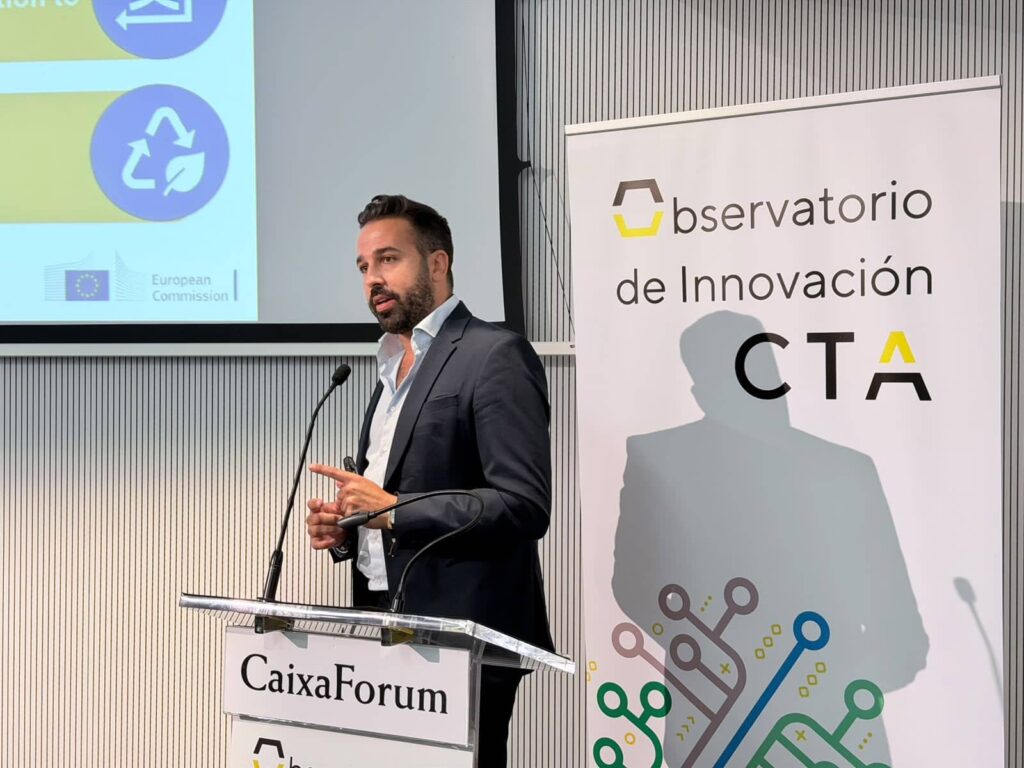
The report also concludes that greater ecosystem integration is needed, as advanced academic knowledge and the industrial sector remain fragmented. Castillo also stressed the need to streamline permitting processes and accelerate market uptake.
In addition, David Páez, Director of CTA’s International Department and representative of the European Advanced Materials for Batteries Partnership (AMBP), moderated a discussion on building sustainable critical raw materials value chains. The panel featured Manuel Sevilla from Aminer’s Centre of Excellence and Innovation in Sustainable Mining (CEIMS); Marta Cerati, Director of Communications and ESG at Atlantic Copper; and José Manuel Ramírez, CEO of Greening Relive..
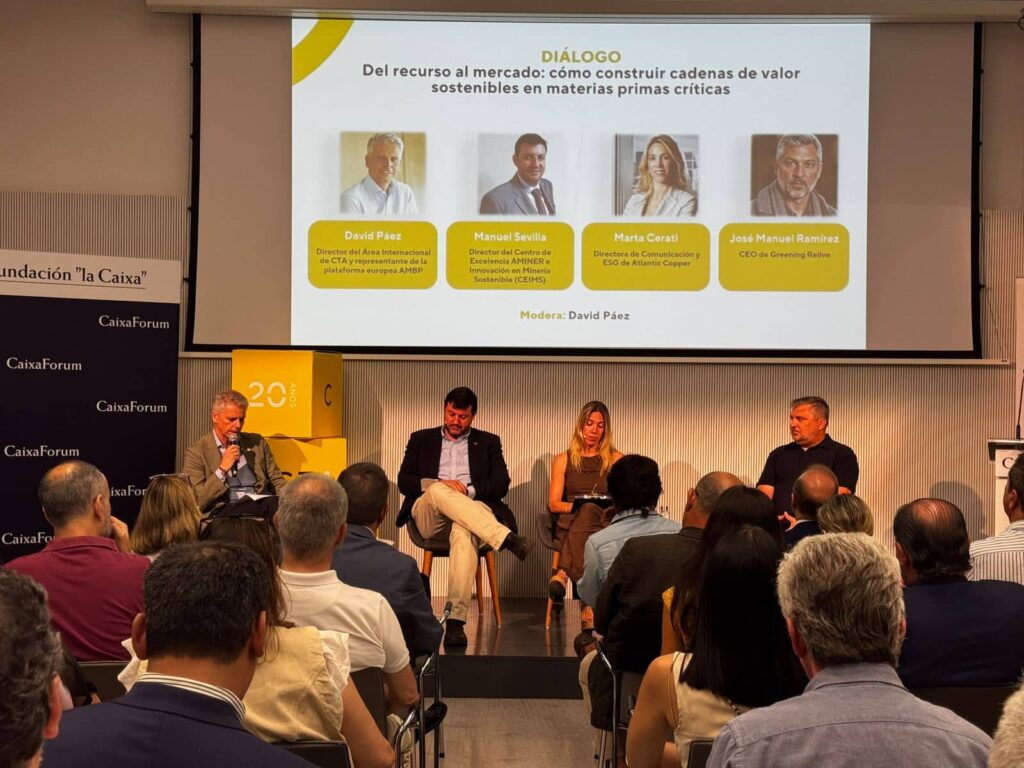
CEIMS is a newly established foundation created to address the cross-cutting challenges facing the metal mining sector. It is promoted by Aminer, the association representing Spain’s leading metal mining companies, with a strong presence in Andalusia and headquarters in Seville.
Atlantic Copper, a CTA member company, is Spain’s leading copper smelting and refining company and the third largest in Europe. It is developing the CirCular project, recognised as strategic by both the Regional Government of Andalusia and the European Commission. This major circular economy initiative aims to process around 60,000 tonnes of non-ferrous metal fractions from waste electrical and electronic equipment (WEEE) each year.
Greening Relive, backed by Granada-based CTA member company Greening, specialises in the management, treatment and recycling of WEEE, with a pioneering approach to the comprehensive recycling of solar panels. One of its goals is to transform more than 60,000 tonnes of electronic waste annually into reusable raw materials, helping reduce Europe’s dependence on newly extracted minerals.
About the CTA Innovation Observatory
Launched in January 2026 with a report on innovation trends, the CTA Innovation Observatory serves as a radar for monitoring future opportunities driven by R&D, innovation and technology. Its aim is to provide innovative organisations with insights into emerging technological trends and opportunities to improve their competitiveness.
Through reports, expert talks, thematic events and thought leadership, the Observatory will offer guidance on future areas of focus. Ultimately, it reinforces CTA’s commitment to promoting scientific, technological and social development and improving the competitiveness of companies, professionals and organisations.