
On 10 and 11 September, the consortium behind the European BIOCONFARM project held a further face-to-face meeting and a co-creation workshop at the premises of Sant’Orsola Società Cooperativa Agricola, in Pergine Valsugana, in the Italian province of Trento. Nathalie Chavrier and Marta González attended on behalf of CTA.
The meeting enabled the partners to review progress on the project’s main work streams, which are aimed at promoting the adoption of alternative methods for plant protection and strengthening, thereby helping to reduce reliance on chemical and synthetic plant protection products in agriculture and forestry.
On the first day, the consortium analysed the progress of the various work packages, including the consolidation of the BIOCONFARM thematic network and its Living Farm Labs, the compilation and dissemination of good practices, the development of co-creation processes and tools tailored to end-users, as well as upcoming activities relating to communication, training and the exploitation of results. The meeting also served to coordinate the next steps in the project and to strengthen the exchange of knowledge between partners and stakeholders in the sector.
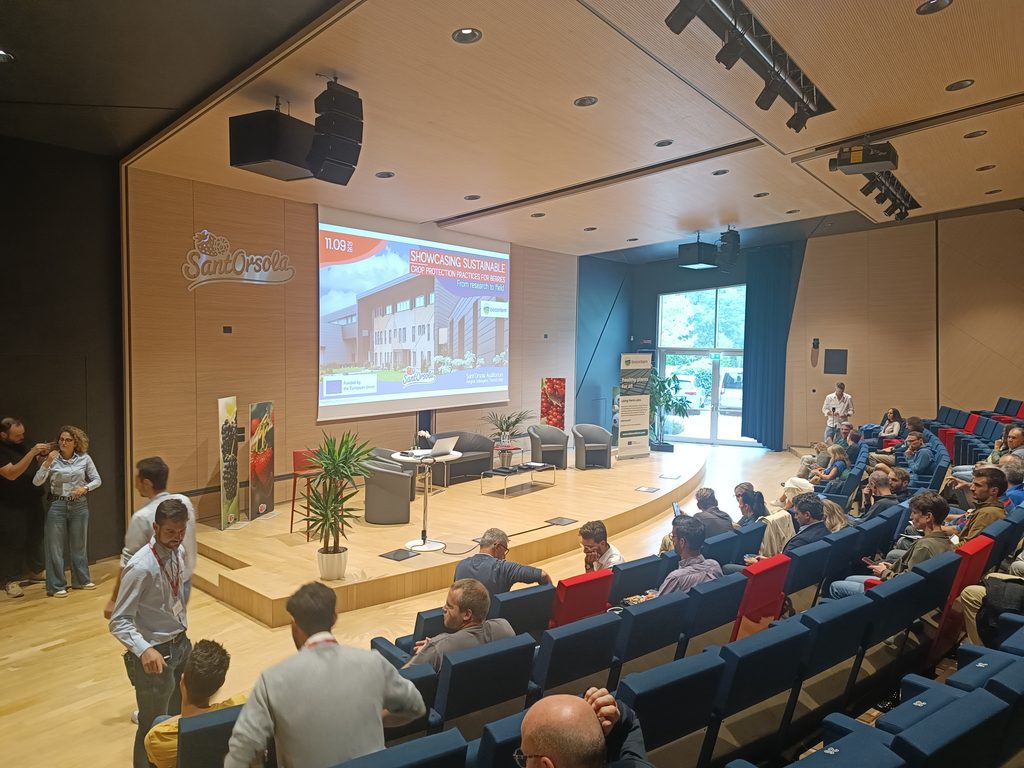
The second day had a distinctly practical focus and was dedicated to Italy’s Living Farm Lab. Participants learnt about various solutions and practices applied to the production of strawberries and other soft fruits, including the use of UV-C technology to control powdery mildew, ‘attract-and-kill’ trapping systems for Drosophila suzukii, the application of chitosan and silicon to combat grey mould, sanitation practices for managing mites and powdery mildew, and garlic-based solutions for controlling the flower weevil.
The programme also included a round-table discussion on plant protection and best practice, followed by several field visits within the Italian Living Farm Lab, where growers affiliated with Sant’Orsola demonstrated some of these solutions first-hand and shared their technical expertise with the consortium members.
Through its participation in BIOCONFARM, CTA contributes to the exchange and transfer of knowledge amongst European stakeholders involved in plant protection, promoting the visibility and adoption of innovative alternatives that help reduce the use of conventional plant protection products.
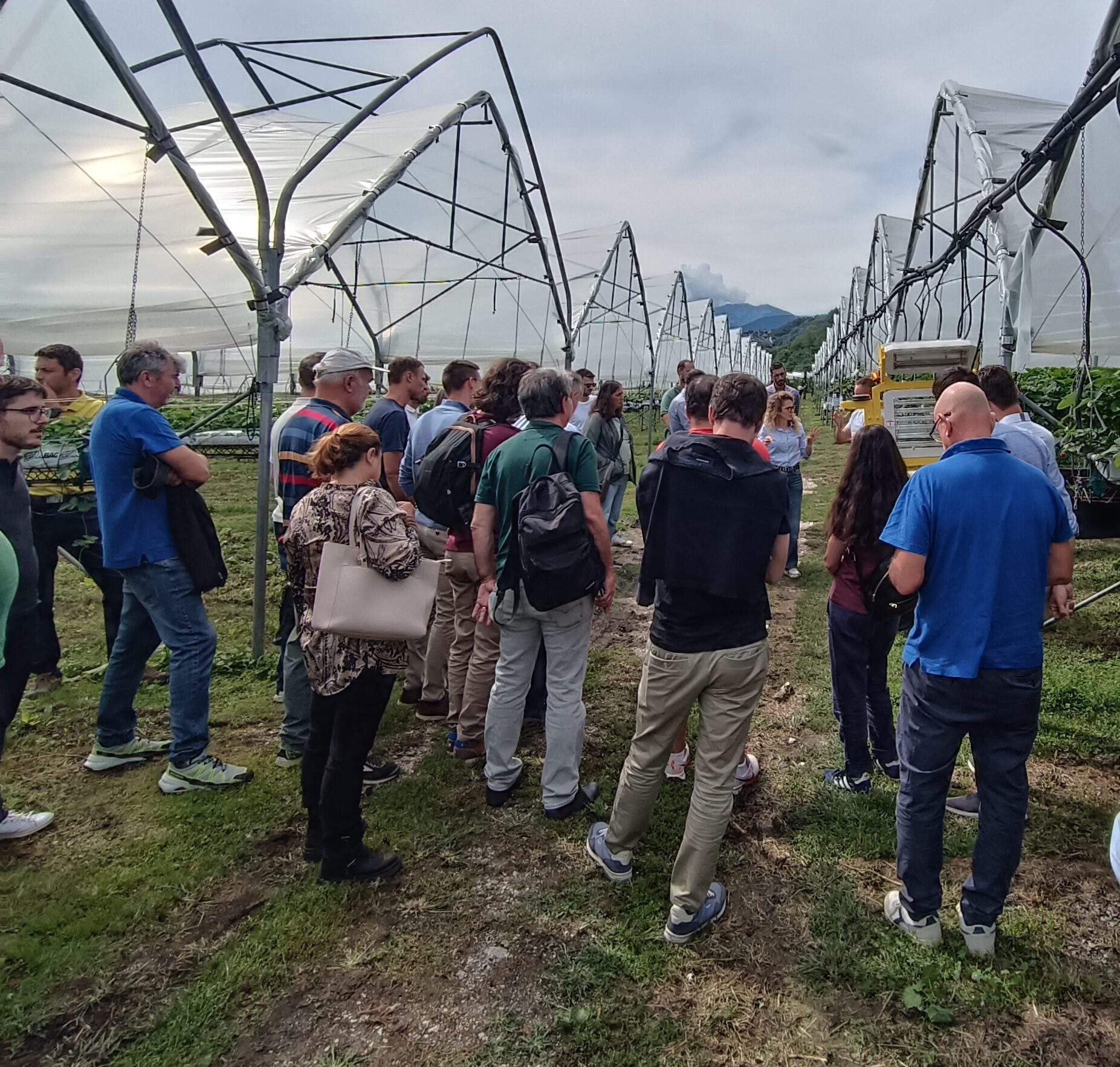
This practical approach is one of the cornerstones of BIOCONFARM, which aims to bring together farmers, advisers, businesses, researchers and other stakeholders in the agri-food sector to help promising solutions move from the research stage to real-world farming conditions. The Living Farm Labs enable precisely this: the validation, demonstration and sharing of practices that can help improve plant and soil health and move towards more sustainable production systems.